LendingTree is compensated by companies whose listings appear on this site. This compensation may impact how and where listings appear (such as the order or which listings are featured). This site does not include all companies or products available.
How Does LendingTree Get Paid?
LendingTree is compensated by companies whose listings appear on this site. This compensation may impact how and where listings appear (such as the order or which listings are featured). This site does not include all companies or products available.
Advertising Disclosure
LendingTree is an advertising-supported comparison service. The site features products from our partners as well as
institutions which are not advertising partners. While we make an effort to include the best deals available to the
general public, we make no warranty that such information represents all available products. We are compensated by
companies on this site and this compensation may impact how and where offers appear on this site (such as the order).
Advertising Disclosure
LendingTree is an advertising-supported comparison service. The site features products from our partners as well as
institutions which are not advertising partners. While we make an effort to include the best deals available to the
general public, we make no warranty that such information represents all available products. We are compensated by
companies on this site and this compensation may impact how and where offers appear on this site (such as the order).
Best Preapproved Credit Cards in January 2026: What to Know Before You Apply
Many of the products on this page are from partners who compensate us, but this does not influence our recommendations. Read disclosures (opens in a new tab).
Not sure you’ll get approved for a credit card? You’re not alone — a lot of people feel this way. The good news is that most major banks, like Citi, Chase and Discover, let you check for preapproval with no credit hit before you apply. You just fill out a quick form online to see which cards you may qualify for. We’ll show you the top cards, issuers that offer preapproval and what preapproval really means — so you can apply with confidence.
Key takeaways
If you’ve been denied before, preapproval helps avoid another hard inquiry and another “no.”
If you’re rebuilding credit, no-credit-check and secured credit cards are your safest bets toward getting your next credit card.
If you’re new to building credit, secured or student credit cards with preapproval tools help you start without extra stress.
If you’re looking for rewards or want to transfer a balance, preapproval lets you find the best card without damaging your credit score.
Banks that offer credit card preapproval
Many major banks — including Citi, Chase and Discover — let you get preapproved for a credit card before you apply. Here’s a list of major issuers with online preapproval forms:
The information related to the U.S. Bank Altitude Go Visa Secured Card has been collected by LendingTree and has not been reviewed or provided by the issuer of this card prior to publication.
The information related to the Secured Chime Credit Builder Visa® Credit Card has been collected by LendingTree and has not been reviewed or provided by the issuer of this card prior to publication.
The information related to the Citi Strata Premier® Card has been collected by LendingTree and has not been reviewed or provided by the issuer of this card prior to publication.
The information related to the Wells Fargo Active Cash® Card has been collected by LendingTree and has not been reviewed or provided by the issuer of this card prior to publication.
Our experts rate credit cards based on several factors including card benefits, bonus offers and independent research. Credit card issuers do not influence or have a say in our card ratings.
Earn 2% cash back at Gas Stations and Restaurants on up to $1,000 in combined purchases each quarter.
Earn unlimited 1% cash back on all other purchases.
1X - 4X points
Earn 4X points on dining, takeout and restaurant delivery (on your first $2,000 each quarter)
Earn 2X at grocery stores, grocery delivery, streaming services, gas stations and EV charging stations
Earn 1X on all other purchases
Non-rewards card
10% cash back
1.5% cash back
1% - 5% cash back
Earn 5% cash back on everyday purchases at different places each quarter, up to the quarterly maximum when you activate.
Earn 1% cash back on all other purchases – automatically
1% - 2% cash back
Earn 2% cash back at Gas Stations and Restaurants on up to $1,000 in combined purchases each quarter.
Earn 1% unlimited cash back on all other purchases - automatically.
2% - 5% cash back
Earn 2% on every purchase with unlimited 1% cash back when you buy, plus an additional 1% as you pay for those purchases.
To earn cash back, pay at least the minimum due on time.
Plus, earn 5% total cash back on hotel, car rentals and attractions booked with Citi Travel.
4% cash back
Earn 4% cash back on prepaid air, hotel and car reservations booked directly in the Rewards Center when you use your card
1X - 10X points
Earn 10x on Hotels, Car Rentals, and Attractions booked through CitiTravel.com. Earn 3 Points per $1 spent on Air Travel and Other Hotel Purchases.
Earn 3 Points per $1 spent on Restaurants.
Earn 3 Points per $1 spent on Supermarkets.
Earn 3 Points per $1 spent on Gas and EV Charging Stations.
Earn 1 Point per $1 spent on All Other Purchases
Earn a $100 Annual Hotel Benefit: Once per calendar year, enjoy $100 off a single hotel stay of $500 or more (excluding taxes and fees) when booked through CitiTravel.com. Benefit applied instantly at time of booking.
Travel insurance protection: Trip Cancellation and Trip Interruption (Common Carrier), Trip Delay, Lost or Damaged Luggage, MasterRental Coverage (Car Rental).
2% cash rewards on purchases
Welcome Offer
Cashback MatchWelcome offer: Cashback Match
Discover will match all the cash back you’ve earned at the end of your first year.
N/AWelcome offer: N/A
N/AWelcome offer: N/A
N/AWelcome offer: N/A
$200 cash bonusWelcome offer: $200 cash bonus
$200 bonus after opening a Rewards Checking Preferred account and making 3 debit card transactions*
Cashback MatchWelcome offer: Cashback Match
Unlimited Cashback Match for all new cardmembers – only from Discover. Discover will automatically match all the cash back you’ve earned at the end of your first year! There’s no minimum spending or maximum rewards. You could turn $50 cash back into $100. Or turn $100 cash back into $200.
Cashback MatchWelcome offer: Cashback Match
Unlimited Cashback Match for all new cardmembers – only from Discover. Discover will automatically match all the cash back you’ve earned at the end of your first year! There’s no minimum spending or maximum rewards. You could turn $50 cash back into $100. Or turn $100 cash back into $200.
$200 cash backWelcome offer: $200 cash back
Earn $200 cash back after you spend $1,500 on purchases in the first 6 months of account opening. This bonus offer will be fulfilled as 20,000 ThankYou® Points, which can be redeemed for $200 cash back.
N/AWelcome offer: N/A
60,000 pointsWelcome offer: 60,000 points
Earn 60,000 bonus ThankYou® Points after spending $4,000 in the first 3 months of account opening, redeemable for $600 in gift cards or travel rewards at thankyou.com.
$200 cash rewardsWelcome offer: $200 cash rewards
Earn a $200 cash rewards bonus after spending $500 in purchases in the first 3 months
Recommended Credit
Limited / Poor
Between
300 - 540
limited / poor
Credit cards for limited / poor credit are intended for those with a credit score between 300 - 540.
Credit scores ranges may vary. Your individual chance at approval may vary due to factors such as creditors using a particular variation at their discretion.
Curious about your credit score?
MyLendingTree is a free tool where you can access your credit score, get expert tips to improve your credit and plan out your financial future.
Limited / Poor / Fair
Between
300 - 599
limited / poor / fair
Credit cards for limited / poor / fair credit are intended for those with a credit score between 300 - 599.
Credit scores ranges may vary. Your individual chance at approval may vary due to factors such as creditors using a particular variation at their discretion.
Curious about your credit score?
MyLendingTree is a free tool where you can access your credit score, get expert tips to improve your credit and plan out your financial future.
Limited / Poor / Fair
Between
300 - 659
limited / poor / fair
Credit cards for limited / poor / fair credit are intended for those with a credit score between 300 - 659.
Credit scores ranges may vary. Your individual chance at approval may vary due to factors such as creditors using a particular variation at their discretion.
Curious about your credit score?
MyLendingTree is a free tool where you can access your credit score, get expert tips to improve your credit and plan out your financial future.
Limited / Poor / Fair
Between
300 - 659
limited / poor / fair
Credit cards for limited / poor / fair credit are intended for those with a credit score between 300 - 659.
Credit scores ranges may vary. Your individual chance at approval may vary due to factors such as creditors using a particular variation at their discretion.
Curious about your credit score?
MyLendingTree is a free tool where you can access your credit score, get expert tips to improve your credit and plan out your financial future.
Fair
Between
600 - 659
fair
Credit cards for fair credit are intended for those with a credit score between 600 - 659.
Credit scores ranges may vary. Your individual chance at approval may vary due to factors such as creditors using a particular variation at their discretion.
Curious about your credit score?
MyLendingTree is a free tool where you can access your credit score, get expert tips to improve your credit and plan out your financial future.
Limited / Fair
Between
540 - 659
limited / fair
Credit cards for limited / fair credit are intended for those with a credit score between 540 - 659.
Credit scores ranges may vary. Your individual chance at approval may vary due to factors such as creditors using a particular variation at their discretion.
Curious about your credit score?
MyLendingTree is a free tool where you can access your credit score, get expert tips to improve your credit and plan out your financial future.
Limited / Fair
Between
540 - 659
limited / fair
Credit cards for limited / fair credit are intended for those with a credit score between 540 - 659.
Credit scores ranges may vary. Your individual chance at approval may vary due to factors such as creditors using a particular variation at their discretion.
Curious about your credit score?
MyLendingTree is a free tool where you can access your credit score, get expert tips to improve your credit and plan out your financial future.
Good / Excellent
Between
660 - 850
good / excellent
Credit cards for good / excellent credit are intended for those with a credit score between 660 - 850.
Credit scores ranges may vary. Your individual chance at approval may vary due to factors such as creditors using a particular variation at their discretion.
Curious about your credit score?
MyLendingTree is a free tool where you can access your credit score, get expert tips to improve your credit and plan out your financial future.
Good / Excellent
Between
660 - 850
good / excellent
Credit cards for good / excellent credit are intended for those with a credit score between 660 - 850.
Credit scores ranges may vary. Your individual chance at approval may vary due to factors such as creditors using a particular variation at their discretion.
Curious about your credit score?
MyLendingTree is a free tool where you can access your credit score, get expert tips to improve your credit and plan out your financial future.
Good / Excellent
Between
660 - 850
good / excellent
Credit cards for good / excellent credit are intended for those with a credit score between 660 - 850.
Credit scores ranges may vary. Your individual chance at approval may vary due to factors such as creditors using a particular variation at their discretion.
Curious about your credit score?
MyLendingTree is a free tool where you can access your credit score, get expert tips to improve your credit and plan out your financial future.
Good / Excellent
Between
660 - 850
good / excellent
Credit cards for good / excellent credit are intended for those with a credit score between 660 - 850.
Credit scores ranges may vary. Your individual chance at approval may vary due to factors such as creditors using a particular variation at their discretion.
Curious about your credit score?
MyLendingTree is a free tool where you can access your credit score, get expert tips to improve your credit and plan out your financial future.
The best credit card preapproval match depends on your situation. See which scenario below is right for you:
Scenario
LendingTree's recommendation
If you’re rebuilding credit and want strong rewards with low fees
Methodology: How we chose our best preapproved credit cards
We take a comprehensive, data-driven approach to identify the best preapproved credit cards. We use an objective rating and ranking system that evaluates over 200 credit cards from more than 50 issuers. All recommendations are made by LendingTree’s editorial team, completely independent of affiliate partnerships or compensation. Every card is selected based on its merit and ability to help people achieve their financial goals. We use the following criteria to make our picks:
We calculate the savings on a balance transfer, based on the length of the introductory period. We assume a transfer amount of $6,500 and a monthly payment of $300. We subtract balance transfer fees, annual fees and the amount paid on interest for any amount left over after the introductory period expires.
We calculate the amount saved on interest given the length of the card’s introductory period. We assume a purchase of $1,800 and a monthly payment of $300. We subtract the card’s annual fee and interest paid on any amount remaining after the introductory period expires. We also add in the amount earned on rewards for the average cardholder, including the card’s sign-up bonus, minus the card’s annual fee. We look at the average rewards earned over two years to balance out a card’s ongoing value with its first-year value.
We calculate the rewards earned for the average cardholder using Bureau of Labor statistics data and an annual spend of $20,000, minus the annual fee. This value includes sign-up bonus and annual bonuses (including annual free night certificates). For travel cards, this value includes travel perks like lounge access and travel credits. We look at the average rewards earned over two years to balance out a card’s ongoing value with its first-year value.
We calculate how much the average cardholder can save with the card on a yearly basis. If it is a rewards card, we use U.S. Bureau of Labor data and $300 in monthly spend (the typical starting credit limit for an introductory card) to calculate how much the average cardholder can earn in rewards. We then subtract fees — including annual fees and maintenance fees — from this amount.
Depending on the category, we also look at the flexibility rewards, foreign transaction fees, features for building credit and how the card’s overall list of benefits compares to other cards.
Note that our ratings are a starting point for comparing and choosing the best preapproved credit cards. However, your needs may be different from the average cardholder. You should consider the amount you’re likely to spend in a card’s bonus categories and which benefits you value when choosing the best card for you.
A closer look at LendingTree's picks for the best preapproval credit cards
Our experts rate credit cards based on several factors including card benefits, bonus offers and independent research. Credit card issuers do not influence or have a say in our card ratings.
Annual Fee
$0
Rewards Rate
Earn 2% cash back at Gas Stations and Restaurants on up to $1,000 in combined purchases each quarter.
Earn unlimited 1% cash back on all other purchases.
1% - 2% cash back
Welcome Offer
Discover will match all the cash back you’ve earned at the end of your first year.
Cashback Match
Credit Needed
Limited / Poor
Between
300 - 540
limited / poor
Credit cards for limited / poor credit are intended for those with a credit score between 300 - 540.
Credit scores ranges may vary. Your individual chance at approval may vary due to factors such as creditors using a particular variation at their discretion.
Curious about your credit score?
MyLendingTree is a free tool where you can access your credit score, get expert tips to improve your credit and plan out your financial future.
Your secured credit card requires a refundable security deposit, and your credit line will equal your deposit amount, starting at $200. Bank information must be provided when submitting your deposit.
Automatic reviews starting at 7 months to see if we can transition you to an unsecured line of credit and return your deposit.
Earn 2% cash back at Gas Stations and Restaurants on up to $1,000 in combined purchases each quarter, automatically. You'll still earn unlimited 1% cash back on all other purchases.
INTRO OFFER: Unlimited Cashback Match for all new cardmembers—only from Discover. Discover will automatically match all the cash back you’ve earned at the end of your first year! There’s no minimum spending or maximum rewards.
Get an alert if we find your Social Security number on the dark web. Activate for free.
Matches cash back earned at the end of your first year for new cardholders
Reports to all three credit bureaus
Cons
$200 minimum security deposit required
High APR on purchases
Late payment fee
Rebuilding after a setback? The Discover it® Secured Credit Card is a standout pick for cardholders with bad credit. It has some of the lowest fees on the market with no annual or monthly fees. It also offers some of the most generous rewards in its category, including extra cash back on gas and dining and a cash back match for new cardholders. Plus, Discover automatically reviews you for an upgrade to an unsecured card starting at seven months — potentially refunding your deposit and unlocking a higher limit.
How much can it save you?*
You’ll pay a $0 annual fee and earn around $91 in rewards, for a net savings of $91 versus -$8 for the average credit-building card.
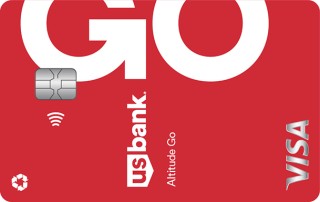
The information related to the U.S. Bank Altitude Go Visa Secured Card has been collected by LendingTree and has not been reviewed or provided by the issuer of this card prior to publication.
4.2/5
How LendingTree Rates Credit Cards?
Our experts rate credit cards based on several factors including card benefits, bonus offers and independent research. Credit card issuers do not influence or have a say in our card ratings.
Annual Fee
$0
Rewards Rate
Earn 4X points on dining, takeout and restaurant delivery (on your first $2,000 each quarter)
Earn 2X at grocery stores, grocery delivery, streaming services, gas stations and EV charging stations
Earn 1X on all other purchases
1X - 4X points
Welcome Offer
N/A
Credit Needed
Limited / Poor / Fair
Between
300 - 599
limited / poor / fair
Credit cards for limited / poor / fair credit are intended for those with a credit score between 300 - 599.
Credit scores ranges may vary. Your individual chance at approval may vary due to factors such as creditors using a particular variation at their discretion.
Curious about your credit score?
MyLendingTree is a free tool where you can access your credit score, get expert tips to improve your credit and plan out your financial future.
4X points on dining, takeout and restaurant delivery (on your first $2,000 each quarter).
2X points at grocery stores and gas stations/EV charging stations.
1 point per $1 spent on all other eligible purchases.
$15 annual streaming credit after 11 months of streaming purchases
Cons
$300 minimum deposit required
High APR
Late payment fee
If you’re a U.S. Bank customer with less-than-perfect credit, the U.S. Bank Altitude Go Visa Secured Card could be your ticket to earning rewards while rebuilding. You’ll earn a fantastic 4X points on dining, takeout and restaurant delivery on your first $2,000 each quarter, 2X points
at grocery stores (excluding discount stores/supercenters and wholesale clubs), streaming services and gas stations/EV charging stations, 1X on all other eligible purchases. You even get a $15 annual credit after 11 months of purchases for select streaming services. A refundable $300 security deposit is required, but it’s a small price for top-notch rewards and no annual fee.
How much can it save you?*
You’ll pay a $0 annual fee and earn around $72 in rewards, for a net savings of $72 versus -$8 for the average credit-building card.
The information related to the Secured Chime Credit Builder Visa® Credit Card has been collected by LendingTree and has not been reviewed or provided by the issuer of this card prior to publication.
Our experts rate credit cards based on several factors including card benefits, bonus offers and independent research. Credit card issuers do not influence or have a say in our card ratings.
Annual Fee
$0
Rewards Rate
Non-rewards card
Welcome Offer
N/A
Credit Needed
Limited / Poor / Fair
Between
300 - 659
limited / poor / fair
Credit cards for limited / poor / fair credit are intended for those with a credit score between 300 - 659.
Credit scores ranges may vary. Your individual chance at approval may vary due to factors such as creditors using a particular variation at their discretion.
Curious about your credit score?
MyLendingTree is a free tool where you can access your credit score, get expert tips to improve your credit and plan out your financial future.
No annual fees or interest,* no credit check to apply, and no minimum security deposit required3
Help increase credit score by an average of 30 points1
View and track your FICO® Score right in the Chime app. FICO Scores are used by 90% of top lenders
Use everywhere VISA is accepted on everyday purchases, such as gas and groceries, and have these purchases count towards building credit via on-time payments
Build credit history with your own money - your direct deposit sets how much you could spend, spend up to that amount, and have your monthly balance automatically paid with your direct deposit.
Instant disable card in-app and real-time transaction alerts to prevent fraudulent activities, 24/7 support to assist you around the clock.
Interest and fee-free˜ cash withdrawals at 60K+ ATMs at retailers like Walgreens, CVS, and more.
Apply for a Secured Chime Credit Builder Visa® Credit Card once you sign up for a Chime Checking Account2. See www.chime.com to learn more.
Chime is a financial technology company, not a bank. Banking services provided by The Bancorp Bank, N.A. or Stride Bank, N.A. The secured Credit Builder Visa® Credit Card is issued by The Bancorp Bank, N.A. or Stride Bank, N.A., pursuant to a license from Visa U.S.A. Inc. and may be used everywhere Visa credit cards are accepted. Please see the back of your card for its issuing bank.
*No interest: Out of network ATM withdrawal fees may apply. See here for details.
1 Based on a representative study conducted by Experian®, members who made their first purchase with Credit Builder between June 2020 and October 2020 observed an average FICO® Score 8 increase of 30 points after approximately 8 months. On-time payment history can have a positive impact on your credit score. Late payment may negatively impact your credit score.
2To apply for Credit Builder, you must have an active Chime® Checking Account.
3 Money added to Credit Builder will be held in a secured account as collateral for your Credit Builder Visa card, which means you can spend up to this amount on your card. This is money you can use to pay off your charges at the end of every month.
ATM Disclosure: Out-of-network ATM withdrawal fees may apply except at MoneyPass ATMs in a 7-Eleven, or any Allpoint or Visa Plus Alliance ATM.
No credit check required
Pros
$0 annual fee
No credit check needed
No interest charges*
No minimum security deposit requirement**
Earns rewards on rotating categories when you direct deposit
Reports to all three credit bureaus
Cons
Only earn rewards on some purchases
Can only earn rewards if you direct deposit
Late payments may result in being unable to use the card until caught up
If you're struggling to qualify because of a credit check, a card with no credit check may be the key — and the Secured Chime Credit Builder Visa® Credit Card is one of the best. It has no annual fee and, unlike most secured cards, no minimum security deposit**. You can fund it directly with any amount in your Chime account and add more when you’re ready to spend. You can even earn rewards in rotating categories each quarter if you set up direct deposits into your Chime checking account.
How much can it save you?*
You’ll pay a $0 annual fee and earn around 7 in rewards, for a net savings of $7 versus -$8 for the average credit-building card.
Our experts rate credit cards based on several factors including card benefits, bonus offers and independent research. Credit card issuers do not influence or have a say in our card ratings.
Annual Fee
$0
Rewards Rate
10% cash back
Welcome Offer
N/A
Credit Needed
Limited / Poor / Fair
Between
300 - 659
limited / poor / fair
Credit cards for limited / poor / fair credit are intended for those with a credit score between 300 - 659.
Credit scores ranges may vary. Your individual chance at approval may vary due to factors such as creditors using a particular variation at their discretion.
Curious about your credit score?
MyLendingTree is a free tool where you can access your credit score, get expert tips to improve your credit and plan out your financial future.
No credit check required – 89% approval rate with zero credit risk to apply!
Earn up to 10% cash back on everyday purchases
Boost your credit score fast—2 out of 3 opensky® cardholders see an average increase of 47 points after 6 months
Track your progress with free access to your FICO® score in our mobile app
Build your credit history with reporting to all three major credit bureaus: Experian, Equifax, and TransUnion
Seamless payments—add your card to Apple Pay, Google Pay, and Samsung Pay
Start with as little as $300 – Secure your line with a refundable security deposit
Fast and easy application—apply in minutes with our mobile-first experience
Flexible payment options—pick a due date that works for you
More time to fund—spread your security deposit over 60 days with layaway
Join 1.6 million+ cardholders who have used opensky® to build better credit!
No credit check required
Pros
No credit check required
No annual fee
May qualify to switch to an unsecured card in little as six months
89% approval rate
Reports to all three credit bureaus
Cons
High APR
Minimum $300 security deposit required
Late payment fee
For those looking to rebuild credit or start building credit, the opensky® Plus Secured Visa® Credit Card is next on the list of most affordable cards with no credit check. While it only earns rewards on select purchases, it does offer no annual fee and the opportunity to quickly convert to an unsecured card with responsible use.
How much can it save you?*
You’ll pay a $0 annual fee, for a net savings of $0 versus -$8 for the average credit-building card.
Our experts rate credit cards based on several factors including card benefits, bonus offers and independent research. Credit card issuers do not influence or have a say in our card ratings.
Annual Fee
$0
Intro Purchase APR
N/A
Regular Purchase APR
14.99% - 29.99% APR
Credit Needed
Fair
Between
600 - 659
fair
Credit cards for fair credit are intended for those with a credit score between 600 - 659.
Credit scores ranges may vary. Your individual chance at approval may vary due to factors such as creditors using a particular variation at their discretion.
Curious about your credit score?
MyLendingTree is a free tool where you can access your credit score, get expert tips to improve your credit and plan out your financial future.
$200 bonus after opening a Rewards Checking Preferred account and making 3 debit card transactions*
1.5% unlimited cash back on every purchase
No annual fee
See if you qualify in seconds with no impact to your credit score
Combine the flexibility of a card with the predictability of a personal loan
Enjoy Visa Signature benefits, like Roadside Dispatch, Price Protection, Extended Warranty Protection, and more
Shop smarter with Upgrade Shopping! Get exclusive savings at stores, restaurants, and more
Contactless payments with Apple Pay® and Google Wallet™
Mobile app to access your account anytime, anywhere
Use your card anywhere Visa is accepted
Relax knowing that you are protected in case of unauthorized transactions with Visa’s Zero Liability Policy
*To qualify for the welcome bonus, you must open and fund a new Rewards Checking Preferred account through Upgrade and make 3 qualifying debit card transactions from your Rewards Checking Preferred account within 60 days of the date the Rewards Checking Preferred account is opened. If you have previously opened a checking account through Upgrade or do not open a Rewards Checking Preferred account as part of this application process, you are not eligible for this welcome bonus offer. Your Upgrade Card and Rewards Checking Preferred account must be open and in good standing to receive a bonus. To qualify, debit card transactions must have settled and exclude ATM transactions. Please refer to the applicable Upgrade Visa® Debit Card Agreement and Disclosures for more information. Welcome bonus offers cannot be combined, substituted, or applied retroactively. The bonus will be applied to your Rewards Checking Preferred account as a one-time payout credit within 60 days after meeting the conditions. This one-time bonus is available through this Upgrade Card offer and may not be available for other Upgrade Card offers.
See if you qualify before you submit your application.
Pros
$0 annual fee
Solid rewards earning rate
Earn a welcome bonus with checking account and debit transactions
Potentially high credit line
Cons
Does not work like a traditional credit card
Must pay back purchases in installments
No ability to make just a minimum payment
Many starter credit cards keep limits low, but the Upgrade Cash Rewards Visa® stands out as one that's historically offered potentially high credit limits. While there's no guarantee of a high credit limit, you can count on low fees, solid rewards and even a welcome bonus — a rare benefit for this category.
It works a bit differently from a traditional credit card — purchases are repaid in fixed installments, which can get tricky if you make frequent charges. And you can’t make just a minimum payment if cash is tight in a month. Still, the structure can help you from building up a balance you can't afford to pay off.
How much can it save you?*
The average beginning cardholder will pay a $0 annual fee, pay around $67 in interest per year on average (assuming a $300 monthly balance) and earn around $254 in rewards, for a net savings of $187 versus -$8 for the average credit-building card.
Our experts rate credit cards based on several factors including card benefits, bonus offers and independent research. Credit card issuers do not influence or have a say in our card ratings.
Annual Fee
$0
Rewards Rate
Earn 5% cash back on everyday purchases at different places each quarter, up to the quarterly maximum when you activate.
Earn 1% cash back on all other purchases – automatically
1% - 5% cash back
Welcome Offer
Unlimited Cashback Match for all new cardmembers – only from Discover. Discover will automatically match all the cash back you’ve earned at the end of your first year! There’s no minimum spending or maximum rewards. You could turn $50 cash back into $100. Or turn $100 cash back into $200.
Cashback Match
Credit Needed
Limited / Fair
Between
540 - 659
limited / fair
Credit cards for limited / fair credit are intended for those with a credit score between 540 - 659.
Credit scores ranges may vary. Your individual chance at approval may vary due to factors such as creditors using a particular variation at their discretion.
Curious about your credit score?
MyLendingTree is a free tool where you can access your credit score, get expert tips to improve your credit and plan out your financial future.
INTRO OFFER: Unlimited Cashback Match for all new cardmembers – only from Discover. Discover will automatically match all the cash back you’ve earned at the end of your first year! There’s no minimum spending or maximum rewards. You could turn $50 cash back into $100. Or turn $100 cash back into $200.
Earn 5% cash back on everyday purchases at different places you shop each quarter like grocery stores, restaurants, gas stations, and more, up to the quarterly maximum when you activate. Plus, earn unlimited 1% cash back on all other purchases.
Redeem cash back for any amount
No credit score required to apply.
No annual fee and build credit with responsible use.
0% intro APR on purchases for 6 months, then the standard variable purchase APR of 16.49% - 25.49% applies.
Matches cash back at the end of first year for new cardmembers
Cons
Bonus categories require activation each quarter
Spending cap on highest earning rate
If you're a student, the $0-annual-fee Discover it® Student Cash Back could be a perfect tool to start building credit while earning rewards. You’ll earn 5% cash back at different places each quarter up to the quarterly maximum when you activate. 1% unlimited cash back on all other purchases - automatically.
That’s a stellar rate of cash back if your spending matches up with Discover’s categories each quarter. However, you’ll need to remember to activate the categories at the start of each quarter to earn the full bonus — a potential drawback if you prefer simple rewards.
How much can it save you?*
You’ll pay a $0 annual fee and earn around $119 in rewards, for a net savings of $119 versus -$8 for the average credit-building card.
Our experts rate credit cards based on several factors including card benefits, bonus offers and independent research. Credit card issuers do not influence or have a say in our card ratings.
Annual Fee
$0
Rewards Rate
Earn 2% cash back at Gas Stations and Restaurants on up to $1,000 in combined purchases each quarter.
Earn 1% unlimited cash back on all other purchases - automatically.
1% - 2% cash back
Welcome Offer
Unlimited Cashback Match for all new cardmembers – only from Discover. Discover will automatically match all the cash back you’ve earned at the end of your first year! There’s no minimum spending or maximum rewards. You could turn $50 cash back into $100. Or turn $100 cash back into $200.
Cashback Match
Credit Needed
Limited / Fair
Between
540 - 659
limited / fair
Credit cards for limited / fair credit are intended for those with a credit score between 540 - 659.
Credit scores ranges may vary. Your individual chance at approval may vary due to factors such as creditors using a particular variation at their discretion.
Curious about your credit score?
MyLendingTree is a free tool where you can access your credit score, get expert tips to improve your credit and plan out your financial future.
INTRO OFFER: Unlimited Cashback Match for all new cardmembers – only from Discover. Discover will automatically match all the cash back you’ve earned at the end of your first year! There’s no minimum spending or maximum rewards. You could turn $50 cash back into $100. Or turn $100 cash back into $200.
Earn 2% cash back at Gas Stations and Restaurants on up to $1,000 in combined purchases each quarter, automatically. You'll still earn unlimited 1% cash back on all other purchases.
Redeem cash back for any amount
No credit score required to apply.
No annual fee and build credit with responsible use.
0% intro APR on purchases for 6 months, then the standard variable purchase APR of 16.49% - 25.49% applies.
Highest rewards rate capped at $1,000 in spending each quarter
Lower rewards rate than some cards
The Discover it® Student Chrome is another great student credit card. While it’s not as rewarding as the Discover it® Student Cash Back, it keeps things simple — no rotating categories, just steady rewards on gas and dining. Discover will even match your rewards at the end of the first year for new cardholders.
How much can it save you?*
You’ll pay a $0 annual fee and earn around $91 in rewards, for a net savings of $91 versus -$8 for the average credit-building card.
Our experts rate credit cards based on several factors including card benefits, bonus offers and independent research. Credit card issuers do not influence or have a say in our card ratings.
Annual Fee
$0
Rewards Rate
Earn 2% on every purchase with unlimited 1% cash back when you buy, plus an additional 1% as you pay for those purchases.
To earn cash back, pay at least the minimum due on time.
Plus, earn 5% total cash back on hotel, car rentals and attractions booked with Citi Travel.
2% - 5% cash back
Welcome Offer
Earn $200 cash back after you spend $1,500 on purchases in the first 6 months of account opening. This bonus offer will be fulfilled as 20,000 ThankYou® Points, which can be redeemed for $200 cash back.
$200 cash back
Credit Needed
Good / Excellent
Between
660 - 850
good / excellent
Credit cards for good / excellent credit are intended for those with a credit score between 660 - 850.
Credit scores ranges may vary. Your individual chance at approval may vary due to factors such as creditors using a particular variation at their discretion.
Curious about your credit score?
MyLendingTree is a free tool where you can access your credit score, get expert tips to improve your credit and plan out your financial future.
Earn $200 cash back after you spend $1,500 on purchases in the first 6 months of account opening. This bonus offer will be fulfilled as 20,000 ThankYou® Points, which can be redeemed for $200 cash back.
Earn 2% on every purchase with unlimited 1% cash back when you buy, plus an additional 1% as you pay for those purchases. To earn cash back, pay at least the minimum due on time. Plus, earn 5% total cash back on hotel, car rentals and attractions booked with Citi Travel.
Balance Transfer Only Offer: 0% intro APR on Balance Transfers for 18 months. After that, the variable APR will be 17.49% - 27.49%, based on your creditworthiness.
Balance Transfers do not earn cash back. Intro APR does not apply to purchases.
If you transfer a balance, interest will be charged on your purchases unless you pay your entire balance (including balance transfers) by the due date each month.
There is an intro balance transfer fee of 3% of each transfer (minimum $5) completed within the first 4 months of account opening. After that, your fee will be 5% of each transfer (minimum $5).
If you're looking for a balance transfer card to save money on interest, the Citi Double Cash® Card is a standout pick. It combines a lengthy balance transfer period with a simple, high rate of cash back on purchases.
The trade-off? There’s no intro APR on new purchases, and the regular APR can run high — so it’s best used for paying down existing debt, not adding new charges.
How much can it save you?*
We estimate that the average cardholder will save around $1,162 for a $6,000 balance transfer (assuming $300 monthly payments) and earn $400 in rewards each year, versus $916 in savings and $271 in rewards for the average balance transfer card.
Our experts rate credit cards based on several factors including card benefits, bonus offers and independent research. Credit card issuers do not influence or have a say in our card ratings.
Annual Fee
$0
Rewards Rate
Earn 4% cash back on prepaid air, hotel and car reservations booked directly in the Rewards Center when you use your card
4% cash back
Welcome Offer
N/A
Credit Needed
Good / Excellent
Between
660 - 850
good / excellent
Credit cards for good / excellent credit are intended for those with a credit score between 660 - 850.
Credit scores ranges may vary. Your individual chance at approval may vary due to factors such as creditors using a particular variation at their discretion.
Curious about your credit score?
MyLendingTree is a free tool where you can access your credit score, get expert tips to improve your credit and plan out your financial future.
0% intro APR on purchases and balance transfers for 18 billing cycles. After that, a variable APR currently 16.99% - 27.99%.
4% cash back on prepaid air, hotel and car reservations booked directly in the Travel Center when you use your card.
Get a $20 annual statement credit for 11 consecutive months of purchases.
No annual fee.
Cell Phone Protection: Your eligible cell phone can be reimbursed up to $600 in the event it is stolen or damaged when you pay your monthly cell phone bill with your card.
See if you’re preapproved on the card information page.
Pros
$0 annual fee
Longest current intro APR for purchases and balance transfers
Chance to earn annual statement credit
Cellphone protection
Cons
Balance transfer fee
Limited rewards program
No sign-up bonus
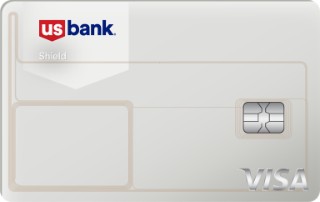
For the longest intro APR periods on both purchases and balance transfers, the U.S. Bank Shield™ Visa® Card is hard to beat. It doesn't offer a flashy sign-up bonus or rewards, but it does have a few perks — like cellphone protection and a $20 annual statement credit — that offer ongoing value after the intro period ends.
How much can it save you?*
We estimate that the average cardholder will save around $1,060 for a $6,000 balance transfer (assuming $300 monthly payments) and $47 in rewards each year, versus $916 in savings and $271 in rewards for the average balance transfer card.
The information related to the Citi Strata Premier® Card has been collected by LendingTree and has not been reviewed or provided by the issuer of this card prior to publication.
Our experts rate credit cards based on several factors including card benefits, bonus offers and independent research. Credit card issuers do not influence or have a say in our card ratings.
Annual Fee
$95
Rewards Rate
Earn 10x on Hotels, Car Rentals, and Attractions booked through CitiTravel.com. Earn 3 Points per $1 spent on Air Travel and Other Hotel Purchases.
Earn 3 Points per $1 spent on Restaurants.
Earn 3 Points per $1 spent on Supermarkets.
Earn 3 Points per $1 spent on Gas and EV Charging Stations.
Earn 1 Point per $1 spent on All Other Purchases
Earn a $100 Annual Hotel Benefit: Once per calendar year, enjoy $100 off a single hotel stay of $500 or more (excluding taxes and fees) when booked through CitiTravel.com. Benefit applied instantly at time of booking.
Travel insurance protection: Trip Cancellation and Trip Interruption (Common Carrier), Trip Delay, Lost or Damaged Luggage, MasterRental Coverage (Car Rental).
1X - 10X points
Welcome Offer
Earn 60,000 bonus ThankYou® Points after spending $4,000 in the first 3 months of account opening, redeemable for $600 in gift cards or travel rewards at thankyou.com.
60,000 points
Credit Needed
Good / Excellent
Between
660 - 850
good / excellent
Credit cards for good / excellent credit are intended for those with a credit score between 660 - 850.
Credit scores ranges may vary. Your individual chance at approval may vary due to factors such as creditors using a particular variation at their discretion.
Curious about your credit score?
MyLendingTree is a free tool where you can access your credit score, get expert tips to improve your credit and plan out your financial future.
Earn 60,000 bonus ThankYou® Points after spending $4,000 in the first 3 months of account opening, redeemable for $600 in gift cards or travel rewards at thankyou.com.
Earn 10 Points per $1 spent on Hotels, Car Rentals, and Attractions booked on CitiTravel.com.
Earn 3 Points per $1 on Air Travel and Other Hotel Purchases, at Restaurants, Supermarkets, Gas and EV Charging Stations.
Earn 1 Point per $1 spent on all other purchases
$100 Annual Hotel Benefit: Once per calendar year, enjoy $100 off a single hotel stay of $500 or more (excluding taxes and fees) when booked through CitiTravel.com. Benefit applied instantly at time of booking.
No expiration and no limit to the amount of points you can earn with this card
10x points on hotels, car rentals and attractions booked on CitiTravel.com
3x points on a wide variety of categories, including gas, restaurants and supermarkets
Travel protection benefits, like trip cancellation and lost luggage
$100 off a single hotel stay of $500 or more (minus taxes and fees) through CitiTravel.com
Cons
$95 annual fee
High purchase APR
If you're looking for a travel card that goes beyond basic rewards, the Citi Strata Premier® Card is worth a closer look. You can rack up valuable, flexible points at a fast clip, thanks to its 3x bonus on a large variety of categories, including gas, restaurants and supermarkets.
It’s also a strong option for hotels, since it gives you bonus points on hotel purchases, plus a $100 hotel credit toward a single hotel stay of $500 or more each year through CitiTravel.com (minus taxes and fees). While its travel perks are modest, you’ll still get essentials like trip cancellation and interruption protection, lost luggage coverage and car rental insurance.
How much can it save you?*
We estimate that the average cardholder will earn around $714 in rewards per year, versus $915 for the average travel rewards card.
The information related to the Wells Fargo Active Cash® Card has been collected by LendingTree and has not been reviewed or provided by the issuer of this card prior to publication.
Our experts rate credit cards based on several factors including card benefits, bonus offers and independent research. Credit card issuers do not influence or have a say in our card ratings.
Annual Fee
$0
Rewards Rate
2% cash rewards on purchases
Welcome Offer
Earn a $200 cash rewards bonus after spending $500 in purchases in the first 3 months
$200 cash rewards
Credit Needed
Good / Excellent
Between
660 - 850
good / excellent
Credit cards for good / excellent credit are intended for those with a credit score between 660 - 850.
Credit scores ranges may vary. Your individual chance at approval may vary due to factors such as creditors using a particular variation at their discretion.
Curious about your credit score?
MyLendingTree is a free tool where you can access your credit score, get expert tips to improve your credit and plan out your financial future.
Apply Now to take advantage of this offer and learn more about product features, terms and conditions.
Earn a $200 cash rewards bonus after spending $500 in purchases in the first 3 months.
Earn unlimited 2% cash rewards on purchases.
0% intro APR for 12 months from account opening on purchases and qualifying balance transfers. 18.49%, 24.49%, or 28.49% variable APR thereafter; balance transfers made within 120 days qualify for the intro rate and fee of 3% then a BT fee of up to 5%, min: $5.
$0 annual fee.
No categories to track or remember and cash rewards don’t expire as long as your account remains open.
Find tickets to top sports and entertainment events, book travel, make dinner reservations and more with your complimentary 24/7 Visa Signature® Concierge.
Up to $600 of cell phone protection against damage or theft. Subject to a $25 deductible.
Short intro APR period compared to other balance transfer cards
For simple, straightforward cash back rewards, the Wells Fargo Active Cash® Card delivers. It offers an easy-to-earn welcome offer with a low spending requirement. It also gives you a solid intro APR on purchases and balance transfers, making it ideal for financing a big expense over time.
The downside? Its balance transfer intro APR period is shorter than some competitors. Still, for straightforward rewards and everyday value, it’s tough to beat.
How much can it save you?*
We estimate that the average cardholder will earn around $400 in rewards per year, versus $367 for the average cash back card.
Being preapproved means that you've met the initial requirements for a credit card without the lender looking at your entire credit history.
If you've been turned down for credit before or are rebuilding after a financial setback, preapproval can take the guesswork out of applying. It lets you know where you stand and gives you more confidence before you officially hit "apply."
LendingTree Expert Advice
"It can be nerve-wracking to apply for a card, especially if you're not sure that your application will be approved. Getting preapproved for a card can ease some of that nervousness. It doesn't mean that you're guaranteed to get the card if you apply, but it can help you better understand if you're likely to qualify, and it does it without a hard pull on your credit."
A card issuer sends you a preapproved offer inviting you to apply for a credit card.
You enter your information into an online form to receive a list of cards for which you’re preapproved.
Lenders typically do a soft credit pull before sending you a preapproval offer. A soft pull is essentially a “peek” at your credit that doesn’t affect your credit score. If you decide to apply, they’ll do a hard pull, which may cause a small, temporary dip in your score.
Preapproval doesn’t guarantee approval, but it’s a strong signal that you’re likely to qualify — and a smart way to shop for credit with confidence.
In the news
Banks reported tighter standards for credit card loans and weaker demand in the July 2025 Senior Loan Officer Opinion Survey. This means more banks are raising the minimum credit score required to obtain a card, which is why it's important to check your preapproval odds before you apply.
Preapproval vs. prequalification
People often use "preapproval" and "preaqualification" interchangeably because they mean nearly the same thing. The key difference lies in who starts the process. When a lender or card issuer sends you offers by mail or email, that's preapproval. When you fill out an online form to see potential offers, that's prequalification.
Prequalification
Preapproval
What it is
Initial check to see if you might qualify
A more detailed initial check to see if you might be approved
Who initiates the process?
You
Credit card issuer
Information used
General financial info like income and monthly expenses
General financial info like income and monthly expenses
Credit impact
Soft pull
Soft pull
Approval guarantee
No
No
Neither option guarantees approval, but preapproval may give you a clearer picture of your odds. That's because it involves a deeper look at your credit profile than credit card prequalification. If you want the best shot of getting approved, start with preapproved credit card offers.
Is your credit frozen?
If so, card issuers won’t be able to run a soft credit pull — meaning preapproval won’t work until you lift the freeze. Unfreezing your credit with each bureau can take a business day or more, so plan ahead to avoid a failed preapproval attempt.
How to get preapproved for a credit card
If your credit isn’t where you want it to be, getting preapproved for a credit card can be a smart first step. The process is quick and easy and can often be done online. Here are some ways you can get preapproved for a credit card:
Look for offers in your inbox
Keep an eye on your email — and even check your spam folder. Credit card issuers often send preapproved credit card offers straight to your inbox. These can be an easy, low-effort way to find cards you may qualify for before you apply.
Don't skip the mail — offers might be waiting
That stack of mail on your counter might include something valuable. Major banks frequently send preapproved credit card offers by mail, sometimes with appealing perks like welcome offers or a 0% intro APR.
Check directly on your bank's website
Most major banks — like Chase, Citi or Wells Fargo — let you check for credit card preapproval online. Just enter some basic information to see which cards you’re likely to qualify for without impacting your credit score.
Try an online prequalification tool
Tools like TreeQual from LendingTree let you quickly see prequalified credit card offers from multiple issuers in one place. It’s a simple, stress-free way to find cards that fit your credit score and spending habits.
Stop by your local bank for in-person assistance
Prefer to talk to someone in person? Head to a nearby bank branch. A teller or personal banker can help you review available credit card offers and may be able to check if you’re preapproved or prequalified on the spot.
Credit card issuers may have rules — both written and unwritten — that can affect your approval odds. Here are some of the most common ones mentioned in credit card forums.
American Express The unofficial Amex 2/90 rule means that you cannot be approved for more than two American Express cards within 90 days. This does not apply to cards that need to be paid in full. Most welcome offers have "once per lifetime" language. A pop-up will appear before you apply to warn you.
Barclays Barclay's has an unofficial and loosely enforced 6/24 rule (no more than six new accounts in 24 months). Online forum users have had success getting around it by calling the reconsideration line when denied.
Bank of America The unofficial 2/3/4 rule limits Bank of America cardholders to two cards per two-month period, three cards in a 12-month period and four cards in a 24-month period. Non-Bank of America and business cards don't seem to be counted in this rule.
Capital One Capital One has a reputation for pulling your report from all three credit bureaus, so be sure to unfreeze all your credit reports.
Chase By the unofficial Chase 5/24 rule, you may be denied if you have more than five new credit cards within the last 24 months. It's uncertain whether this includes Chase's targeted "just for you" offers.
Citi The unofficial 8/65 rule allows one personal approval every eight days, and no more than two every 65 days. Also, you may be automatically declined if you've had a hard credit pull within the last five days.
U.S. Bank U.S. Bank seems to prefer applicants who have less than one new card in six months or two in twelve, also referred to as the <1/6 and <2/12 rules.
Wells Fargo Cardholders may not be eligible for a sign-up bonus if they've had the same product within the last 48 months, even if the account was closed.
LendingTree Expert Advice
When in doubt, try a secured credit card.
"My husband went from no credit to strong scores as an authorized user on my Discover it® Cash Back. But when he applied for a Capital One card, he was denied. We opted to open a secured card. He used it for a year to build his credit history and was then approved for the Wells Fargo Active Cash® Card."
Not every credit card application gets a "yes". The good news: Under the Fair Credit Reporting Act, the issuer must tell you which credit bureau they checked — and often why they declined you, like "too many new credit applications" or "insufficient credit history."
Here are some things you can do if your application was denied:
Unfreeze or unlock your account with the credit bureaus.
Apply for an auto loan or personal loan. These can add to your credit mix, which may help improve your score.
Frequently asked questions
Before saying yes to a preapproved credit card, take a close look at the fine print. If you’re building or rebuilding credit, remember that preapproved offers for lower scores often come with higher fees or rates. You may find better terms by exploring credit cards for bad credit instead.
You can find preapproved credit card offers in your mailbox or by checking directly on card issuers’ websites. Or, for a faster way to compare, try an online tool like TreeQual from LendingTree — it lets you see your prequalified offers from multiple issuers in one place.
Credit card preapprovals usually use a soft credit inquiry, which generally doesn’t affect your credit score. It’s only when you formally apply that issuers run a hard inquiry. This can shave off a few points (usually less than five) and can stay on your credit reports for two years, though it only impacts your score for about one.
Yes — even if you’re preapproved, you can be denied for a credit card. Preapproval simply means you’ve met the issuer’s initial criteria. Once you apply, the issuer reviews your full credit report and other factors before making a final decision.
Preapproved credit card offers typically last between 30 to 90 days from the issue date, though some online offers expire sooner. For example, Discover gives you seven days to accept your preapproval offer online. Always check your letter or email for the exact expiration date before you apply.
No — preapproval offers don’t guarantee the exact terms shown. They only show what you may qualify for. But if you apply and get approved, you can review the final terms and conditions before deciding whether to accept the card.
There is no set credit score that you need to get preapproved for a credit card. Each card issuer sets its own standards. That said, a good to excellent credit score (typically a FICO® Score of 670 or higher) can boost your chances of preapprov/al for the best credit cards. These cards offer high sign-up bonuses, good rewards and terrific perks.
Yes, you can opt out of preapproved credit card offers by removing your name from credit bureau mailing lists. Visit OptOutPrescreen.com or call (888) 567-8688 to stop receiving them. This won’t affect your ability to seek preapproval later — it just means issuers can’t send you unsolicited offers.
The content above is not provided by any issuer. Any opinions expressed are those of LendingTree alone and have not been reviewed, approved, or otherwise endorsed by any issuer. The offers and/or promotions mentioned above may have changed, expired, or are no longer available. Check the issuer's website for more details.
The information related to the Citi Strata Premier® Card, Secured Chime Credit Builder Visa® Credit Card, U.S. Bank Altitude Go Visa Secured Card and Wells Fargo Active Cash® Card has been independently collected by LendingTree and has not been reviewed or provided by the issuer of this card prior to publication. Terms apply.
HomeCredit CardsBestBest Preapproved Credit Cards in January 2026: What to Know Before You Apply
Editorial Guidelines
At LendingTree, we are committed to providing accurate and actionable content that helps you make informed decisions about your money. Our team of writers and editors follows these key guidelines:
We thoroughly fact-check and review all content for accuracy. We aim to make corrections on any errors as soon as we are aware of them.
Our partners do not commission or endorse our content.
Our partners do not pay us to feature any specific product in our content, but we do feature some products and offers from companies that provide compensation to LendingTree. This may impact how and where offers appear on the site (such as the order).
We review and interview both external and internal reputable sources for our content and disclose sourcing in our content.