60 Month Loans Personal Loan Review


.
60 Month Loans pros and cons
60 Month Loans requirements
How to get a loan with 60 Month Loans
How 60 Month Loans compares to other personal loan companies
| Upstart | |||
|---|---|---|---|
| LendingTree’s rating | /5 | 4.5/5 | |
| Minimum credit score | |||
| APRs | 7.23% to 24.00% | ||
| Loan amounts | Not specified – $125,000,000 | ||
| Repayment terms | months | 12 or 84 months | months |
| Origination fee | |||
| Funding timeline | May receive funds as soon as the next business day after loan approval | May receive funds as soon as one business day after loan approval | May receive funds as soon as three to six business days after loan approval |
| Bottom line | has easy eligibility requirements, but is only available in 19 states and only makes sense if you have bad credit. | Upstart offers loans to those with bad or no credit history, but it is also competitive for borrowers with excellent credit. However, Upstart only offers two repayment terms (12 or 84). | could be helpful if you’re looking for credit card refinancing, but this is typically the only kind of loan this lender offers. |
How we rated 60 Month Loans
We evaluate personal loan lenders on more than just interest rates. Our goal is to show how accessible, affordable, transparent and supportive each lender really is.
Our categories
Every lender is scored out of 5 stars, with 5 stars being the highest rating. LendingTree loan experts determine this score using dozens of underlying data points across four weighted categories covering the full borrowing journey.
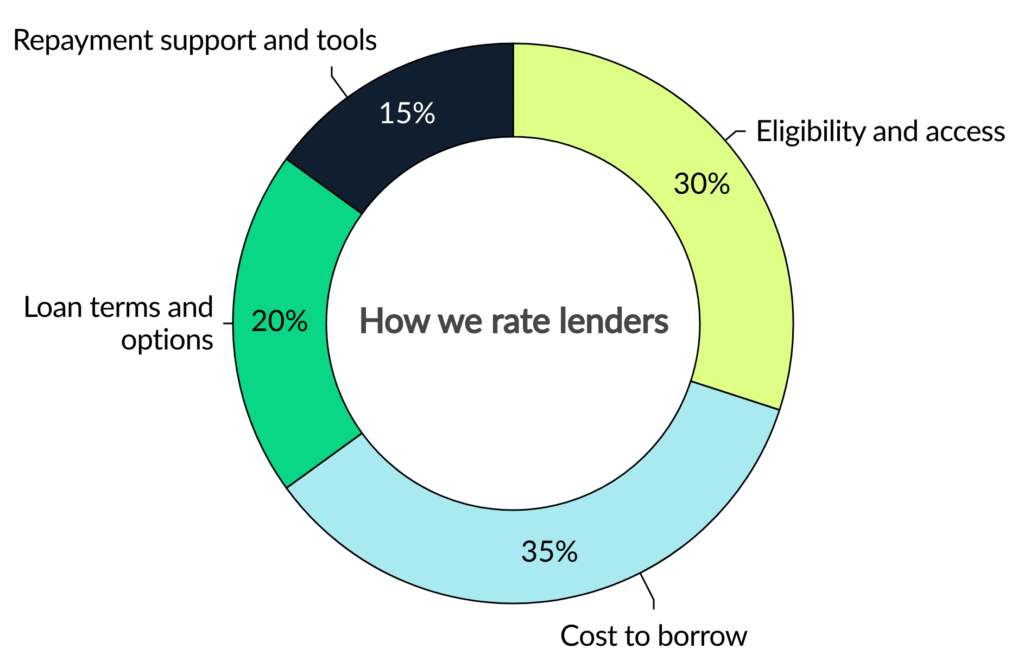
We assess how easy it is for people to qualify and apply. This includes state availability, soft-credit prequalification, membership requirements, funding speed and whether borrowers with less-than-excellent credit can get a loan.
We evaluate how affordable the loans are based on minimum and maximum APRs, loan fees and rate discounts. Lenders with unclear or potentially predatory costs receive lower scores.
We consider repayment term flexibility, loan amount ranges and whether options like secured loans, joint loans or direct-to-creditor payments are offered — plus whether the lender clearly communicates these options.
We evaluate borrower experience after funding: customer service access, hardship or forbearance programs, payment flexibility and digital tools like mobile apps or credit monitoring.
Our process
We gather data directly from lenders through their websites, disclosures and direct communication with company representatives. Our editorial team verifies and updates information regularly. We value transparency and award less favorable scores when lenders obscure or omit details.
In some cases, our editors may apply a small adjustment (no more than 4% of the overall score) to account for factors not captured by the methodology. This could include J.D. Power customer satisfaction surveys, recent regulatory actions or features that stand out in ways our rubric doesn’t measure directly.
Our editorial team applies the same scoring model and standards to every lender. Lenders cannot pay to influence our ratings.
Frequently asked questions
Every lender sets its own personal loan requirements. For instance, some will only lend to people who have excellent credit or bring in a certain annual income, while others will consider bad-credit borrowers as long as they agree to a higher-than-average APR.